
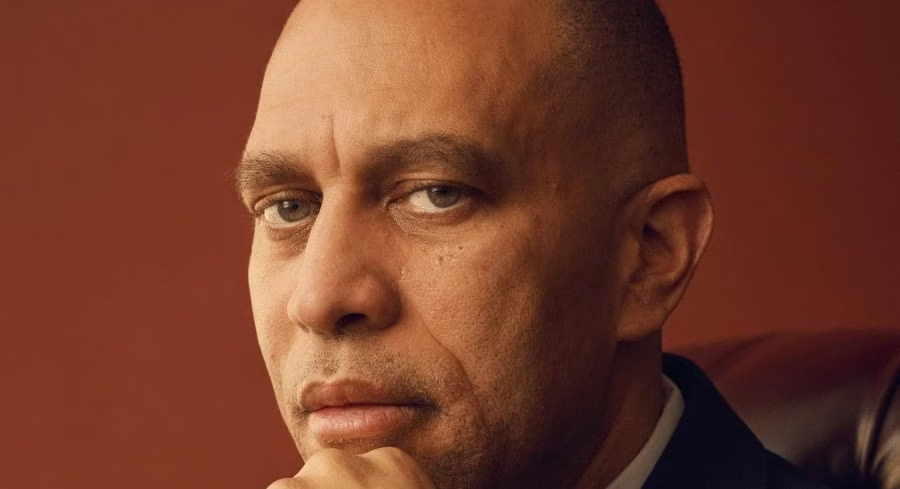
Jeffries Outlines Plan To Lower Medicare Age, Expand Coverage To Children And Dental Care
House Democratic Leader Hakeem Jeffries is pushing for a broad expansion of the federal Medicare program, calling for a lower eligibility age, new routine health benefits, and universal coverage for children nationwide.
The New York lawmaker laid out a vision that would significantly reshape the government-run health insurance system. While Jeffries explicitly advocated for lowering the threshold to qualify for the program, the report noted that he did not specify an exact target age.
Currently, Medicare primarily covers adults aged 65 and older, along with younger individuals who have certain long-term disabilities or end-stage renal disease. Bringing down that age limit—and extending automatic enrollment to all children—would mark the largest shift in the program’s demographic reach since its creation in 1965.
Alongside expanding who qualifies, Jeffries called for broadening the scope of medical services the program actually pays for. His proposal seeks to add routine dental, vision, and hearing benefits to traditional Medicare.
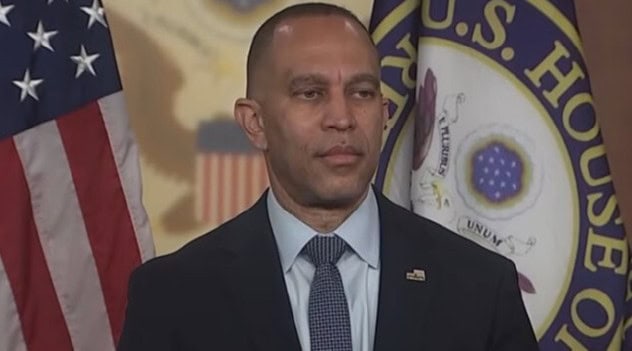
House Minority Leader Hakeem Jeffries
Right now, standard Medicare leaves out most routine dental cleanings and fillings, eye exams for prescription glasses, and hearing aids. To get those services, tens of millions of enrollees currently have to pay the full cost out of pocket, purchase standalone private insurance policies, or enroll in private Medicare Advantage plans that bundle extra benefits.
The push comes amid ongoing debates on Capitol Hill over health care affordability and the future of federal safety-net programs. Proposals to lower the Medicare eligibility age—often discussed in Congress as dropping the threshold to 60 or 55—and to cover dental, vision, and hearing have surfaced in previous Democratic legislative packages, though disagreements over federal spending and how to pay for the expansions have repeatedly stalled them.
For now, the measures outlined by Jeffries remain strictly policy proposals rather than enacted changes to federal law. Before any new age limits, children’s coverage, or expanded medical benefits could take effect, Congress would need to draft, pass, and fund formal legislation, and the president would have to sign it into law. Until then, current Medicare eligibility rules and coverage limits remain unchanged.