
Silicon, Secrets, And A Taipei Bar: The Espionage Scandal Trapping Nvidia’s CEO
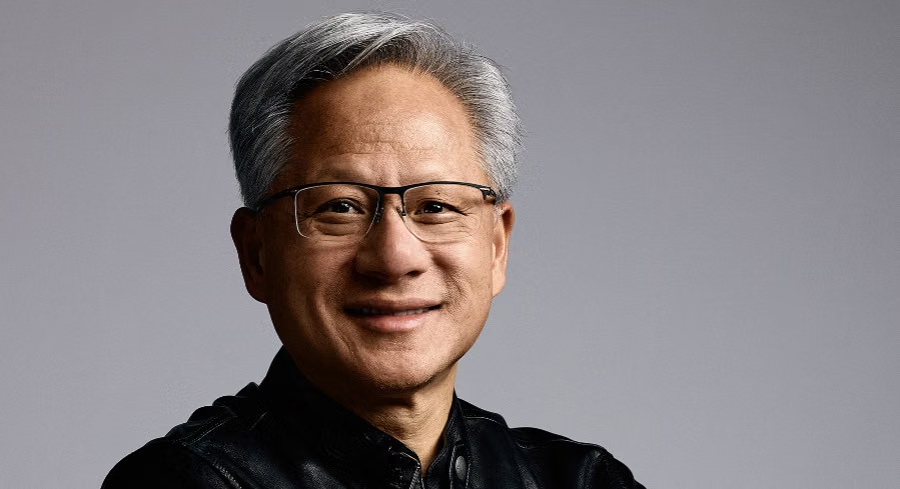
He built a multi-trillion-dollar silicon empire on cutting-edge math and trademark black leather. But Nvidia Chief Executive Jensen Huang now finds himself cast in an international espionage drama that reads less like corporate Silicon Valley and more like a Cold War thriller.
In a message sent to Nvidia staff, Huang admitted to an extramarital affair, apologizing to his family, staff, and investors.
“I was unfaithful to my wife,” Huang wrote. “My actions hurt her and our children. There is no excuse for what I did. I am deeply sorry. Leading NVIDIA is the privilege of my life. My responsibility is to serve you and be worthy of your trust. I have fallen short of that responsibility.”
What began as personal contrition quickly escalated into a geopolitical storm. The woman linked to Huang is Alice Huang—also known as Huang Le—a Chinese national and former executive at Megaspeed International, a Singapore-based data center company. The two are unrelated. Behind closed doors, U.S. intelligence agencies concluded that she was acting as a foreign asset tasked with gathering sensitive semiconductor intelligence for Beijing.
Classified American intelligence memos reveal that electronic surveillance tracked the pair across multiple encounters. Their connection dates back to at least June 2024, when they were photographed sipping whiskey late into the night at a Taipei bar after a major technology trade summit. By May 2025, public dinners in Taipei captured Alice Huang whispering to the tech billionaire, kissing his cheek, and stepping into the same chauffeured car.
Artificial Intelligence, AI (Unsplash)
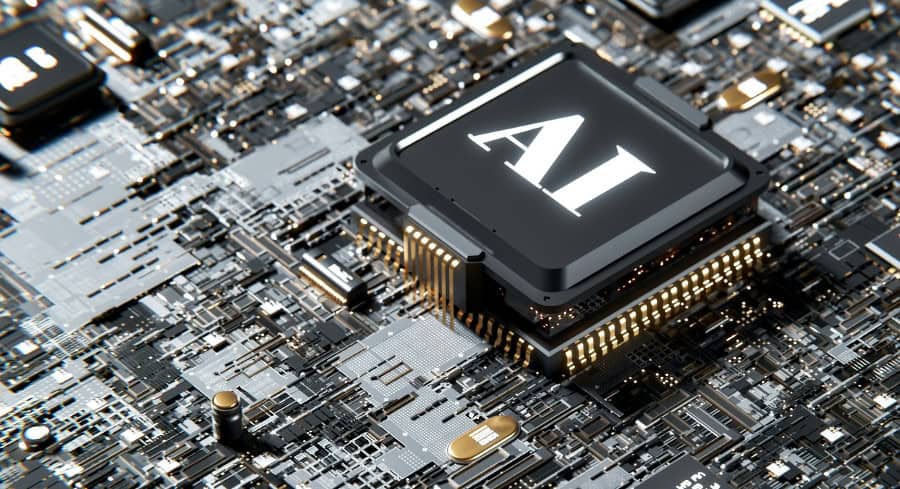
The fallout hits the most sensitive nerve in the global tech race. Nvidia designs the ultra-dense graphic processors that serve as the fundamental engine of modern artificial intelligence, powering everything from frontier generative models to sovereign military computing. To protect that technical monopoly, Washington has enforced aggressive export embargoes that bar high-end Nvidia chips from reaching Chinese shores.
Megaspeed, an authorized Asia-Pacific cloud customer, had quietly purchased roughly $4.8 billion in Nvidia processors over a two-year stretch. That staggering volume sparked active federal inquiries into whether the firm functioned as an offshore front funneling restricted silicon directly to the Chinese mainland.
With U.S. officials raising alarms that its chief executive may have walked into a state-sponsored honeypot, Nvidia’s board of directors initiated an independent investigation.
The board maintains that preliminary findings show no core intellectual property, chip schematics, or national defense secrets were compromised. Huang, who pledged total cooperation with company investigators and federal regulators, remains firmly in the corner office.
“I love our country and our company,” Huang told employees. “I am committed to protecting NVIDIA and supporting America’s national security.”
Whether an apology and an internal audit can quiet escalating alarms on Capitol Hill remains the multi-billion-dollar question hanging over the crown jewel of the AI revolution.