
Bulldozers Greenlit For Big Bend: Supreme Court Revives Texas Border Wall Project
Heavy machinery is heading back to one of the most rugged, untouched frontiers in America.
The Supreme Court on Monday cleared the Trump administration to restart border wall construction across West Texas’s Big Bend region, overturning a temporary shutdown and dealing a stinging blow to a rare bipartisan coalition fighting to keep the desert wild.
At the center of the clash is a clash of two starkly different visions for the southern border. Fueled by a massive $46 billion congressional funding package passed last summer, federal crews have been racing the clock, planting steel bollards at a furious clip of roughly 12 miles per week toward President Donald Trump’s goal of a coast-to-coast barricade.
To keep that pace alive, the federal government dusted off sweeping waiver powers, bypassing decades-old environmental review laws that normally tie major infrastructure projects up in red tape.
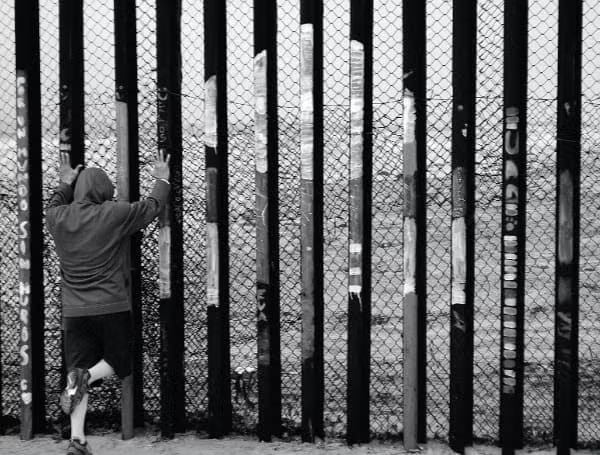
In Big Bend, that blueprint includes planting 30-foot steel walls along sensitive terrain, cutting new patrol roads, and anchoring heavy vehicle barriers across a mosaic of state reserves, private ranches, and land surrounding Big Bend National Park.
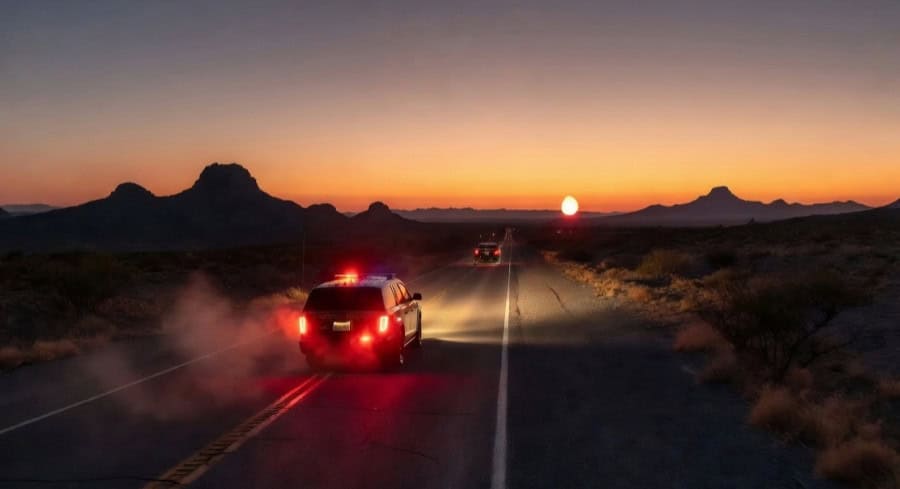
For local ranchers, conservationists, and politicians on both sides of the aisle, the plan sparked an immediate revolt. Opponents argue that slicing through a delicate desert ecosystem is an exorbitant waste of taxpayer dollars, especially in a corridor that routinely tallies the lowest unauthorized crossing numbers on the entire southern border. Instead of a multi-billion-dollar steel fence, they argue high-tech eyes in the sky, like long-range surveillance drones, could secure the canyon country without scarring the land or upending the local eco-tourism economy.
A federal district judge in Texas previously agreed, ruling that Congress likely never intended to scrap environmental safeguards in an area with so few apprehensions, and ordered construction frozen on the spot.
Administration lawyers pushed back, arguing the judge had no legal power to intervene because federal law sharply restricts court challenges against border construction waivers. Justice Department officials also warned of a practical risk: if you fence off every neighboring sector and leave a gap in Big Bend, drug cartels and human smugglers will simply funnel their operations straight through the opening.
The high court’s order doesn’t settle the fight for good, but it hands the administration the green light it needed. While the lawsuit grinds through the lower courts, the crews will keep digging.