
Report: $160 Million California Homelessness Program Reaches Just A Fraction Of Its Goal
CARE Court, touted as a solution to chronic homelessness and mental illness, has served fewer than 550 people despite massive spending.
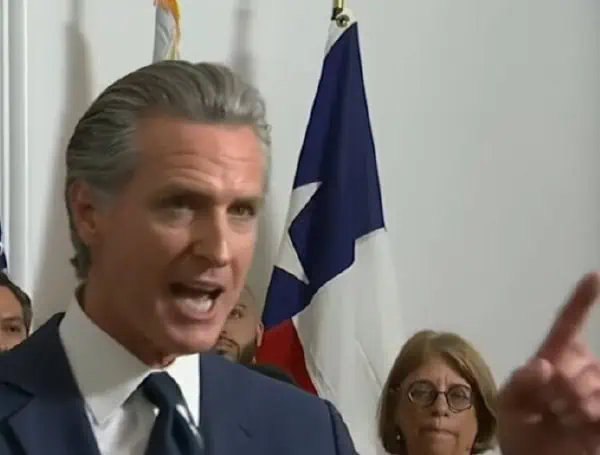
California Governor Gavin Newsom’s flagship program to address the state’s homelessness crisis, the CARE Court program, has been met with criticism for its high costs and limited reach.
Launched in 2022, the initiative aimed to help thousands of people suffering from severe mental health and substance use disorders by allowing courts to mandate treatment.
However, according to a report by CalMatters, the program has spent nearly $160 million in taxpayer funds while assisting fewer than 550 individuals.
The Program’s Disappointing Performance
Initially, state officials estimated that between 7,000 and 12,000 Californians could qualify for the CARE Court program. However, as of July 2025, only 2,421 petitions have been filed, and nearly half of those were dismissed.
A particularly striking statistic is that only 14 cases have resulted in a judge-ordered treatment plan, with the majority of successful cases leading to voluntary agreements. This is a stark contrast to the program’s intended purpose of compelling individuals to receive care.
Counties across the state have also reported a slow uptake. Eight counties have seen zero petitions filed, and major urban centers like San Francisco are rejecting nearly two-thirds of the petitions they receive. Critics, including Anita Fisher, a mother who advocated for the program, have called it a “total failure.”
Financial and Operational Challenges
The program’s high cost has drawn sharp criticism. The state spent $88.3 million in the 2022-23 fiscal year and an additional $71.3 million in the 2023-24 fiscal year. The Legislative Analyst’s Office and the Assembly Judiciary Committee have both described the CARE Court as a “very expensive way” to provide services. Counties have also invested their own funds, hiring staff in anticipation of a high volume of cases that never materialized. For instance, San Diego County hired nearly two dozen staff members, including 10 clinicians, only to receive far fewer petitions than projected.
The slow start is attributed to several factors. The process of filing a petition is difficult for families and first responders, often requiring them to prove a loved one’s mental health condition under strict privacy laws. Additionally, a significant number of people who are petitioned simply refuse services, and the court’s ability to enforce treatment is limited.
State Defends, Critics Accuse
Despite the program’s shortcomings, Governor Newsom’s office has defended it, with a spokesperson stating that “thousands of people are engaging in critical behavioral health treatment” through the CARE Act.
However, this statement appears to lump in those who received voluntary services with those who went through the court system, a point of contention for many critics. Disability rights organizations have accused the program of being a political maneuver rather than a genuine solution, arguing that it fails to address fundamental issues like housing shortages and inadequate mental health services.
The CARE Court program is the latest in a series of costly initiatives aimed at curbing California’s worsening homelessness crisis. The state has spent an estimated $24 billion on the issue since 2019, yet the homeless population continues to grow, reaching a record-breaking 187,000 in 2024. As the state legislature considers a bill to expand the program’s eligibility, many remain skeptical that more of the same will yield different results.
TAMPA FREE PRESS
Please make a small donation to the Tampa Free Press to help sustain independent journalism. Your contribution enables us to continue delivering high-quality, local, and national news coverage.
Android Users: Download our free app to stay up-to-date on the latest news.
Connect with us: Follow the Tampa Free Press on Facebook and Twitter for breaking news and updates.
Sign up: Subscribe to our free newsletter for a curated selection of top stories delivered straight to your inbox.