
Parole Revocations Overturned: Massachusetts Judge Hands Major Victory To Migrants
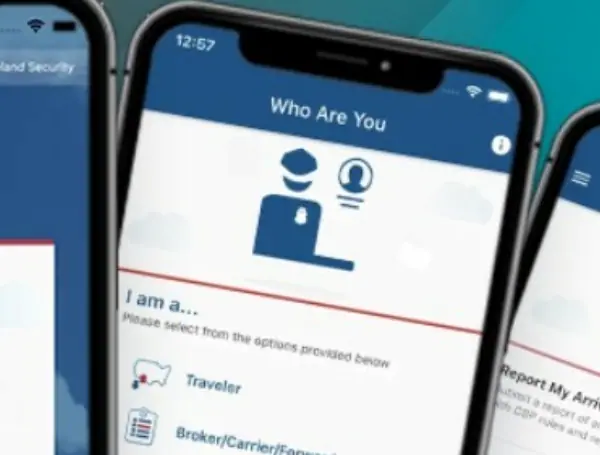
A federal judge in Massachusetts has dealt a significant blow to the Department of Homeland Security, ruling that the agency’s mass termination of humanitarian parole for thousands of migrants was unlawful. In a decision filed Tuesday, U.S. District Judge Allison D. Burroughs vacated the revocations, ordering the government to restore the legal status of affected individuals who entered the country using the CBP One app.
The case, Sileiri Doe v. U.S. Department of Homeland Security, centered on a wave of “Termination Emails” sent in April 2025. These notices told noncitizens from countries including Venezuela, Cuba, and Haiti that their two-year parole period was being cut short.
The emails were blunt, stating: “It is time for you to leave the United States… the federal government will find you. Please depart the United States immediately.”
Judge Burroughs found that the government failed to follow its own rules and federal law when it issued these blanket cancellations.
The “Case-by-Case” Requirement
The core of the dispute involved how the government handles humanitarian parole. Under federal law, the Secretary of Homeland Security has the power to grant parole on a “case-by-case basis” for urgent humanitarian reasons or significant public benefit. While the government argued it has total discretion to end that parole whenever it wants, the court found a critical missing link in the paperwork.
The judge noted that by statute and regulation, parole can only be terminated if the purpose of the parole has been served or if an authorized official determines it is no longer in the public interest.
“The agency’s decision to terminate parole does not, by itself, imply that an authorized official made the requisite antecedent finding,” Judge Burroughs wrote. She pointed out that the government could not provide evidence that any official actually reviewed the individual files to decide if their parole was still justified before hitting “send” on the mass emails.
Protection for “Doe” Plaintiffs
The ruling also allows the migrants to move forward with the case using pseudonyms to protect them from potential retaliation. The court acknowledged that the plaintiffs had a “justified fear” for their safety and the safety of their families, given the inherent threat of detention and deportation.
The government had fought the use of anonymous names, reserving the right to use the plaintiffs’ information for “lawful purposes,” a move the court saw as validating the migrants’ concerns about being targeted.
Impact of the Ruling
The court certified a specific class of people affected by the ruling:
- Individuals who scheduled entry appointments via the CBP One app.
- Those granted parole between May 2023 and January 2025.
- Those who received the April 2025 termination email without further explanation.
By vacating the terminations, the judge effectively hit the “undo” button on the government’s April 2025 sweep. For the estimated hundreds of thousands of people in the class, this means their previous parole status—and their ability to hold work permits—is legally restored.
“When Defendants terminated the impacted noncitizens’ parole without observing the process mandated by statute and by their own regulations, they took action that was ‘not in accordance with law,’” the order stated.
The court dismissed several other claims from the plaintiffs that argued the government cannot act categorically, clarifying that while the Secretary can make broad policy changes, they must still follow the specific procedural steps required by the Administrative Procedure Act.