
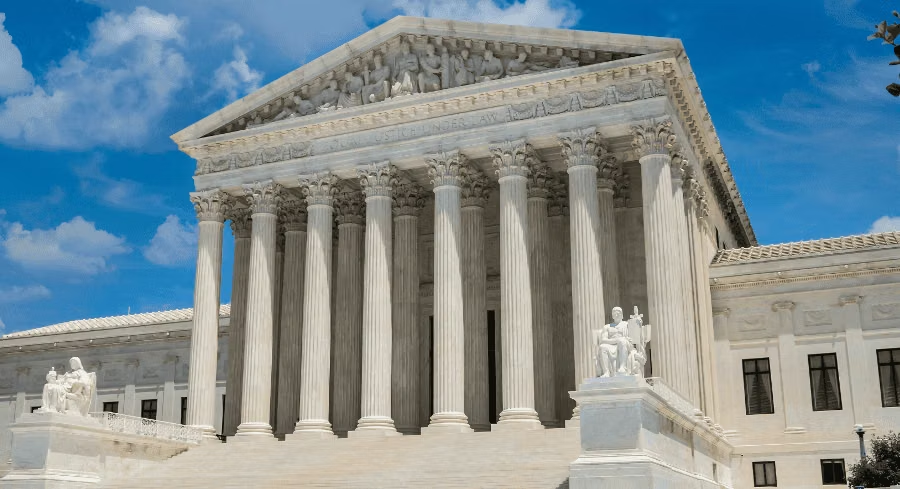
Hunt For The Supreme Court Leaker Turns Criminal As Grand Jury Subpoenas Fly
More than four years after a leaked draft opinion sent shockwaves through the American legal system and ended the constitutional right to abortion, the search for the culprit has taken an aggressive turn into criminal territory.
Federal prosecutors are using a grand jury to demand testimony and records from people who worked inside the Supreme Court when the landmark Dobbs v. Jackson Women’s Health Organization draft vanished into public view. The move marks a dramatic shift in an unsolved whodunit that the court’s own internal investigators spent months trying—and failing—to crack.
The leak landed like an earthquake on May 2, 2022, when Politico published Justice Samuel Alito’s fiery draft opinion. It revealed that a conservative majority was ready to topple Roe v. Wade, igniting nationwide protests and shattering the fortress of secrecy that typically surrounds the high court’s marble walls. The final ruling came weeks later, but the breach left an institutional scar that never fully healed.
Now, career federal prosecutors are digging through the wreckage under the supervision of U.S. Attorney Jeanine Pirro and senior deputy Carlton Davis. Reporting reveals the inquiry has been quietly churning behind closed doors for at least a year, though the Justice Department and the Supreme Court have both kept silent on who has been hauled in or how much the court is cooperating.
Yet for all the firepower of federal subpoenas, investigators run straight into an unusual legal wall: disclosing an internal Supreme Court draft isn’t actually a federal crime.
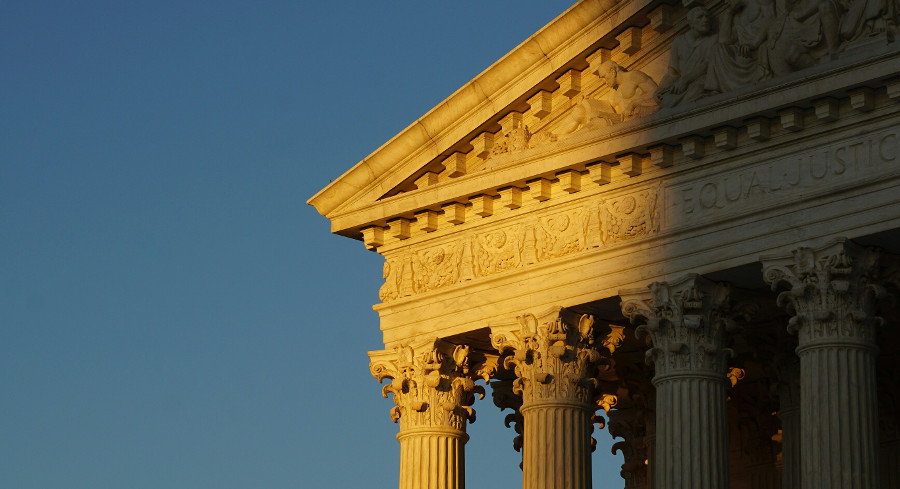
Unlike military secrets or intelligence wiretaps, high court opinions carry no classification badges. To bring an indictment stick, prosecutors have to look sideways at creative legal theories—such as treating the draft as stolen government property, or catching someone in a lie told to investigators along the way. Looming over all of it is a strict five-year statute of limitations set to run out in the spring of 2027.
The aggressive push into the judiciary has also set off constitutional tripwires. The idea of executive branch agents sifting through the private deliberations of the country’s highest judges raises delicate separation-of-powers questions, particularly if authorities cannot prove a statutory crime took place in the first place.
Inside the building, the leak remains personal. Chief Justice John Roberts previously unleashed the court marshal on an exhaustive hunt that involved questioning nearly 100 employees, analyzing IT servers, and digging into staff phone logs, only to come up empty in early 2023.
The justices themselves have dropped tantalizing hints that the mystery isn’t dead. Alito once told an interviewer that he had a strong suspicion about who betrayed the chamber, though he conceded the proof wasn’t ironclad enough to name names. Justice Elena Kagan told lawmakers earlier this year that the bench had never truly closed the book.
Armed with the power to compel sworn testimony under penalty of perjury, federal prosecutors are betting they can force open doors that the marshal found locked. Whether the effort finally unmasks the source—or hits the same dead end as the court’s own detectives—remains anyone’s guess.