
Zero Property Tax? Florida Gov. DeSantis Pushes Historic Plan To End Pain For Homeowners
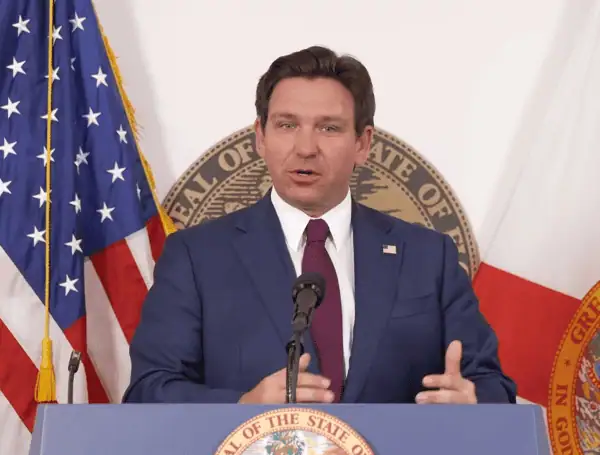
Florida Governor Ron DeSantis is doubling down on what could become the most radical tax overhaul in the state’s history, outlining a plan to completely eliminate property taxes on primary residences.
Speaking on Fox Business’ “Varney & Co.” on Friday, DeSantis detailed a roadmap that targets the 2026 ballot, requiring approval from 60% of voters to become law. If successful, the move would make Florida the first state in the nation to operate without a state income tax or property taxes on homesteaded homes.
“People are being pinched across the economy in a lot of things,” DeSantis said. “We’re doing fine at the state [level], but the local property taxes are hurting people.”
The Argument: Budget Bloat vs. Homeowner Burden
The Governor’s push centers on the idea that local governments have benefited from a massive surge in real estate values—specifically the “COVID boom”—without tempering their spending.
DeSantis argued that it is fundamentally unfair for long-term residents to face skyrocketing tax bills simply because the market value of their home increased on paper.
“How is it that you buy a home for $350,000 and then, four years later, they tell you it’s worth a million dollars and you gotta pay more in property tax? It’s not right,” DeSantis told host Stuart Varney. He added that local governments have “overspent,” asking, “When is enough, enough?”
According to the Governor, the math is sustainable because the tax relief targets primary residents—those with a “homestead” exemption. He noted that roughly 70% of property tax revenue comes from commercial properties and second homes owned by non-residents, leaving homesteads responsible for about 30% of the total pot.
The Hurdles: A $55 Billion Question
While the political appeal of a tax-free home is high, the financial logistics are complex.
The Florida Policy Institute (FPI) reports that property taxes generate approximately $55 billion annually. This revenue is the financial lifeblood of local infrastructure, providing up to 60% of school district funding, 18% of county revenues, and 17% of municipal budgets.
Critics and economic analysts warn that deleting this revenue stream requires a massive offset elsewhere. Some estimates suggest that to balance the books, the state sales tax might need to double, jumping from 6% to as high as 12%.
DeSantis acknowledged the complexity, suggesting a “phased approach” rather than an overnight elimination. “We’re sensitive to all that. I want something that can work, and I want something that can pass,” he said.
Next Steps
Legislators in the Florida House are currently advancing a package of proposals to pave the way for the amendment. These include a potential $500,000 homestead exemption—with a cap up to $1 million for seniors—and stricter limits on assessment increases.
The Governor indicated that the state’s rainy-day fund has grown significantly since 2019, providing a cushion to help navigate the transition. However, the ultimate fate of the proposal will lie with the voters in November 2026.
TAMPA FREE PRESS
Please make a small donation to the Tampa Free Press to help sustain independent journalism. Your contribution enables us to continue delivering high-quality, local, and national news coverage.
Android Users: Download our free app to stay up-to-date on the latest news.
Connect with us: Follow the Tampa Free Press on Facebook and Twitter for breaking news and updates.
Sign up: Subscribe to our free newsletter for a curated selection of top stories delivered straight to your inbox.