
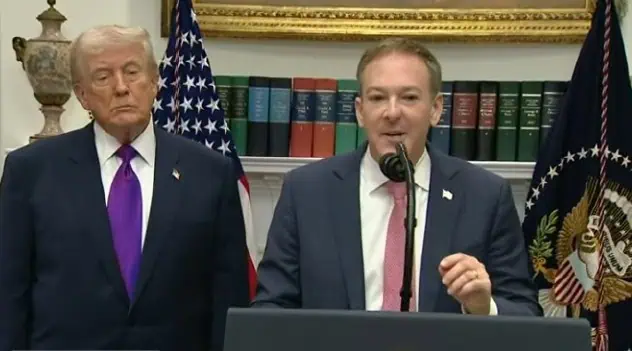
Zeldin Slashes EPA Energy Rules In $2.5 Billion Regulatory Rollback
U.S. Environmental Protection Agency Administrator Lee Zeldin finalized a set of revisions to federal oil and gas regulations on Monday, marking a significant shift away from Biden-era climate policies.
The move specifically targets the 2024 Clean Air Act rules, known as OOOOb/c, which the current administration argues are too restrictive and costly for domestic energy producers.
The updated rule focuses on two technical areas: temporary flaring and gas monitoring requirements. Under the previous guidelines, operators were generally limited to 24 hours of temporary flaring during maintenance. The new EPA rule extends that window to 72 hours, with further extensions allowed for “exigent circumstances” such as extreme weather, supply chain disruptions, or staffing shortages.
The agency also walked back requirements for continuous monitoring of the net heating value (NHV) of vent gas. The EPA stated that based on newer data, these tests were largely unnecessary. By removing these requirements for most scenarios, the agency expects to eliminate roughly 141,000 industry tests per year.
“My predecessors weaponized environmental regulations to regulate the oil and gas industry out of existence,” Administrator Zeldin said in a statement. “We are taking another step to fix those mistakes while proving we can both protect human health and the environment and grow the economy at the same time.”
According to EPA estimates, these changes will save the energy industry approximately $2.5 billion over the next 15 years, or about $208 million annually. The administration contends that reducing these compliance costs will eventually lead to lower prices at the pump and cheaper utility bills for American households.
The agency noted that it does not expect the changes to the monitoring requirements to result in a change in overall emissions. Officials also confirmed that this is just the first step in a broader plan to overhaul the 2024 standards, with more proposals currently in development to address additional industry concerns.
These revisions come after the EPA reviewed several petitions for reconsideration and held a 45-day public comment period. While the 2024 rules originally sought to phase out routine flaring to curb methane emissions, the Trump EPA argued the tight repair timelines actually threatened worker safety and grid reliability.
This latest action follows a 2025 move that the agency says already saved $750 million by delaying certain compliance deadlines. The EPA is expected to release further amendments later this year as part of its ongoing effort to ease the regulatory burden on the fossil fuel sector.