
U.S. Treasury Hits Guatemalan Trafficking Rings Backing Mexican Cartels
The U.S. Treasury Department imposed new sanctions today against two powerful Guatemalan drug trafficking organizations accused of moving narcotics for Mexico’s largest cartels.
The Office of Foreign Assets Control (OFAC) targeted the Los Mendoza Drug Trafficking Organization and the Los Huistas Drug Trafficking Organization. Federal officials say both groups act as essential logistics partners for the Sinaloa Cartel and the Cartel de Jalisco Nueva Generacion (CJNG), helping them move fentanyl, cocaine, and methamphetamine toward the U.S. border. Last year, the Trump Administration officially designated both the Sinaloa Cartel and CJNG as Foreign Terrorist Organizations and Specially Designated Global Terrorists.
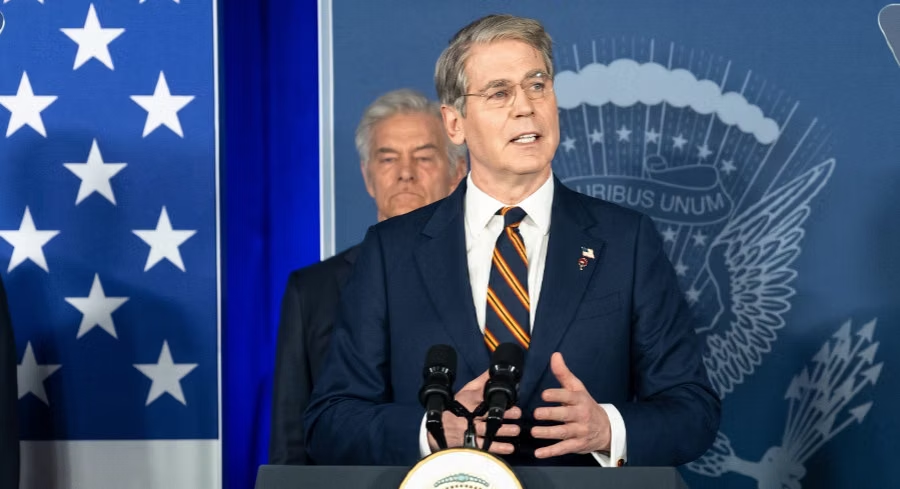
“Today’s action exposes the ties between politically influential Guatemalan criminal organizations and Mexican foreign terrorist organizations that facilitate the flow of deadly narcotics into the United States,” Treasury Secretary Scott Bessent said in a statement. “Under President Trump’s America First agenda, the Treasury Department will continue to target the criminal networks that enable violent organizations like the Sinaloa Cartel and CJNG to traffic drugs across our borders and threaten the safety of the American people.”
According to the Treasury Department, Los Mendoza and Los Huistas control key smuggling corridors along Guatemala’s borders with Honduras and Mexico. They receive, store, protect, and transport drug shipments headed north. Alongside today’s Treasury penalties, the State Department is designating another Guatemalan group, Los Lorenzanas, as both a Foreign Terrorist Organization and a Specially Designated Global Terrorist.
Osiel Cardenas Guillen, 57, a known zeta cartel member (ICE)
Los Mendoza, a family-run syndicate active since the 1980s, operates primarily as a transportation middleman for the Sinaloa Cartel. Officials say the group provides secret airstrips, storage sites, border crossings, and local protection across the Guatemalan departments of San Marcos, Huehuetenango, and Peten. Beyond smuggling, Los Mendoza is linked to contract killings and money laundering, having poured illicit profits into cattle ranching, agriculture, real estate, and seized land across Peten, Izabal, and the Mexican border region.
Los Huistas has operated since the 1990s and serves as a major link in the cocaine supply chain running from South America through Mexico into the United States. Already sanctioned by OFAC in March 2022, the group works with both the Sinaloa Cartel and CJNG. Federal officials noted that Los Huistas has avoided law enforcement scrutiny for years by building close relationships with local politicians, police officials, and business owners in northwestern Guatemala.
The U.S. government has ramped up pressure on the Sinaloa Cartel and CJNG for more than a decade. Both groups were placed on the U.S. drug kingpin list in 2009 and 2015, respectively, and hit with additional sanctions in 2021 before receiving their terrorist designations on February 20, 2025. Aside from drug trafficking and violence, federal authorities say the Mexican cartels also generate revenue through fuel theft and timeshare fraud.
Today’s sanctions freeze any property or financial assets belonging to Los Mendoza and Los Huistas that are located in the United States or controlled by U.S. citizens. Any business owned 50 percent or more by the sanctioned groups is also blocked.
Americans are generally barred from doing any business with the designated organizations, and violators face steep civil or criminal fines. Foreign banks that knowingly process major transactions for either Guatemalan group also risk secondary sanctions, which could cut them off from the U.S. financial system. Officials also noted that whistleblowers inside or outside the United States can collect financial rewards through the Financial Crimes Enforcement Network if they provide tips that lead to sanctions enforcement penalties over $1 million.