
Trump Signs Order To ‘Democratize’ 401(k) Investments: What It Means For You
Paving Way for Alternative Assets
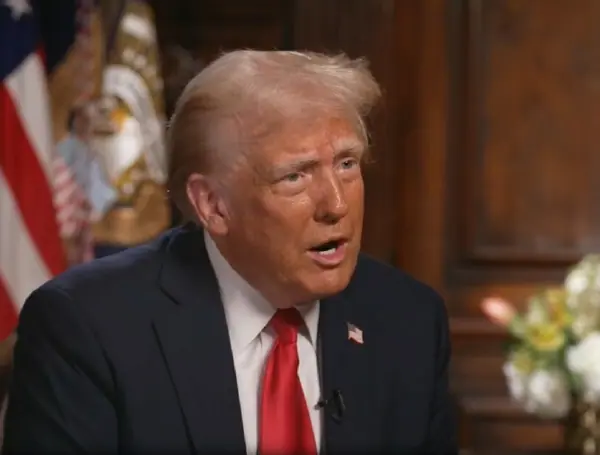
President Donald Trump signed an executive order Thursday aimed at expanding the investment options available to millions of Americans with 401(k) retirement plans.
The order aims to eliminate regulatory and legal barriers, enabling plan fiduciaries to offer “alternative assets” that have traditionally been reserved for wealthy and institutional investors.
The administration frames the move as a way to “democratize access” and give everyday workers the opportunity for greater returns and diversification.
Proponents argue that the current regulatory climate, which they say has been stifled by excessive lawsuits and guidance from the Department of Labor (DOL), has limited 401(k) participants to asset classes with lower long-term returns than those achieved by public pension funds and other large institutional investors.
The executive order directs the Secretary of Labor to re-examine and clarify existing guidance under the Employee Retirement Income Security Act of 1974 (ERISA). The goal is to make it easier for fiduciaries—the individuals or entities responsible for managing retirement plans—to offer investment options that include alternative assets. The order specifically defines these as:
- Private market investments: Including private equity and debt not traded on public exchanges.
- Real estate: Direct or indirect interests in property.
- Digital assets: Holdings in actively managed investment vehicles that invest in cryptocurrencies and other digital assets.
- Commodities: Direct and indirect investments in physical assets like oil or precious metals.
- Infrastructure development projects: Investments in projects financing infrastructure.
- Lifetime income strategies: Such as longevity risk-sharing pools.
The order also instructs the Securities and Exchange Commission (SEC) to consider changes to regulations, such as those related to “accredited investor” and “qualified purchaser” status, to help facilitate this broader access.
These statuses typically require a certain level of income or net worth and have been a major reason why these types of investments were inaccessible to most individual investors.
The order’s directives will require months of work from federal agencies to provide the necessary guidance and rules. The ultimate impact on the average American’s 401(k) will depend on how plan fiduciaries and employers respond and what specific investment products are made available.
MORE ARTICLES - TAMPA FREE PRESS
- Trump Targets Financial Institutions Over ‘Debanking’ Of Conservatives
- Trump Taps Loyalist Stephen Miran For Temp Fed Role, Signaling Push For Rate Cuts
- Three Top FBI Officials Fired In High-Profile Shake-Up
- Texas Rep. Jasmine Crockett Under Fire: Aides Claim She’s “All Diva, No Wow”
- Lawmakers Probe Teacher Unions Leadership Excessive Spending: $100K Limo Service
- Illinois Gov. JB Pritzker Slammed Over Texas Redistricting Rhetoric, His Hypocrisy
- FBI To Assist In Search For Fleeing Texas Democrats, Says Senator Cornyn
- Florida Court Affirms Gov. DeSantis’ Authority To Remove Missouri Felon From Office
- Florida Whistleblower Says Obama-Era FDA Head Had Financial Interest In Billions Of Pharma Stock
- Newt Gingrich Says Dems Did Something Not Seen Since The 1930s
TAMPA FREE PRESS
Please make a small donation to the Tampa Free Press to help sustain independent journalism. Your contribution enables us to continue delivering high-quality, local, and national news coverage.
Android Users: Download our free app to stay up-to-date on the latest news.
Connect with us: Follow the Tampa Free Press on Facebook and Twitter for breaking news and updates.
Sign up: Subscribe to our free newsletter for a curated selection of top stories delivered straight to your inbox.