
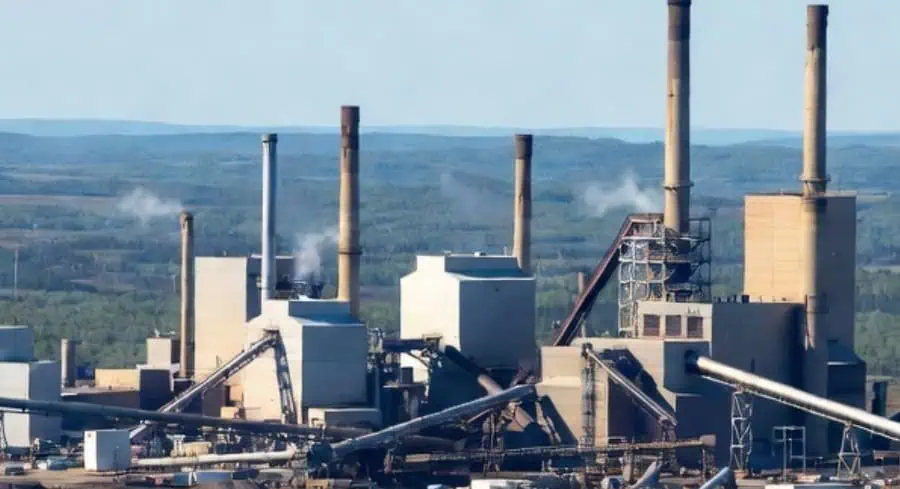
Minnesota Steel Mill Saved From Closure As Feds Slash Obama-Era Air Rules
A major Minnesota taconite facility will stay open under a new federal rule that loosens strict emission targets while still promising to clean up regional smog, environmental regulators announced Friday.
The U.S. Environmental Protection Agency finalized a revision to an Obama-era air quality plan for U.S. Steel’s Keetac facility in Keewatin, Minnesota. Officials said the previous rules set unrealistic pollution caps that threatened the plant’s survival. The new mandate adjusts nitrogen oxide (NOx) limits to what the agency calls achievable levels, keeping the facility operational while forcing a modest reduction in current emissions.
The decision impacts a critical node in the American supply chain. Minnesota and Michigan produce almost all domestic taconite, a low-grade iron ore essential for making up more than 90 percent of the country’s domestic iron ore supply. The steel generated from these raw materials feeds the defense sector, homeland security, and major infrastructure projects.
“Implementation of the regional haze program should not cripple industry vital to the American economy,” EPA Administrator Lee Zeldin said in a statement. “The Trump EPA has taken great strides to prove that we don’t have to choose between economic prosperity and environment protection.”
The rule traces back to a 2013 Federal Implementation Plan enacted under the Obama administration to tackle regional haze—the pollution that degrades visibility in national parks and wilderness areas. Under the Clean Air Act, states are required to submit their own visibility blueprints, but the federal government steps in with a mandatory plan if a state’s submission is missing or rejected.
The EPA stated that its new limits are based on updated scientific data and emission control analyses. Regulators maintain that the revised standards will still cut down on regional haze and improve visibility in surrounding Class I wilderness spaces, without forcing the Keetac plant to shut down its operations.
“American steel protection is vital to our nation’s national security, future, and job security for thousands of Americans,” Zeldin said. “Today’s action safeguards all those aspects while promoting improved visibility in our national parks.”