
Louisiana Takes The Wheel On Coal Ash Rules Following Final EPA Sign-Off
Baton Rouge just gained sole control over a major piece of its energy infrastructure.
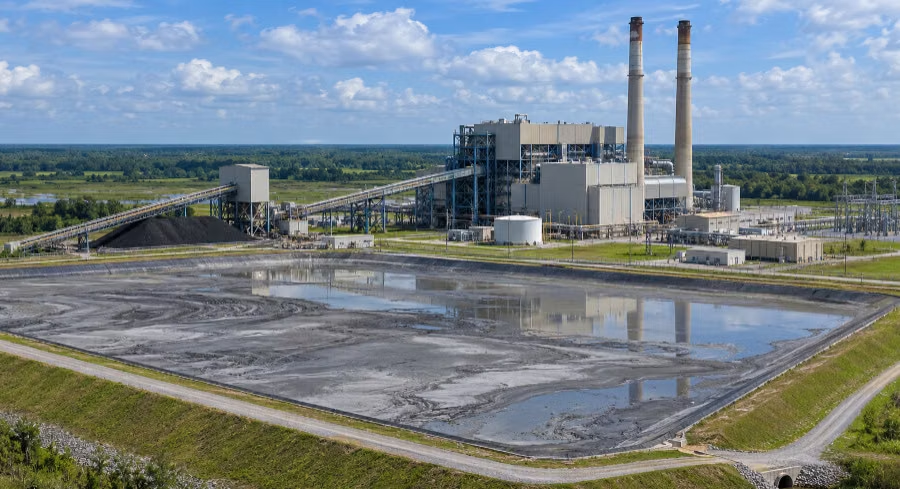
Following a final decision from the U.S. Environmental Protection Agency today, Louisiana will now manage its own permit program for coal combustion residuals—commonly known as coal ash. Rather than answering to federal regulators, power plants and energy companies in the state will work directly with the Louisiana Department of Environmental Quality to handle how coal ash is stored in landfills and surface impoundments.
Federal officials say the state’s application cleared every regulatory hurdle, and the shift is designed to eliminate duplicate oversight while keeping health and environmental protections intact.
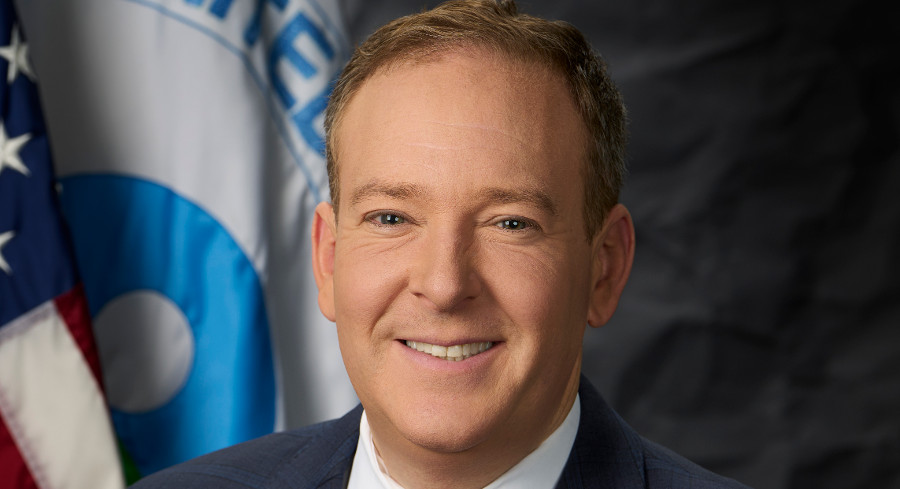
“Today’s approval is a win for cooperative federalism and for Louisiana,” EPA Administrator Lee Zeldin said. “By empowering the state’s experts who understand their communities and their energy industry best, we’re protecting human health, delivering the regulatory certainty industry needs, and helping power the Great American Comeback.”
U.S. EPA Administrator Lee Zeldin
With today’s announcement, Louisiana joins a small but growing club, becoming the seventh state in the nation to earn EPA approval to run its own coal ash program. Across President Donald Trump’s two terms in office, the agency has laid the groundwork for 10 states to take over their own permitting as part of a broader push to boost domestic energy production and put local officials in charge.
For businesses operating in the state, the biggest immediate change is simplicity. Instead of navigating a maze of overlapping federal and state mandates, energy producers will now answer to one set of rules.
“This approval delivers on EPA’s message that states know how best to maintain their economies and public health without overlapping federal oversight,” Region 6 Administrator Scott Mason said. “By working with LDEQ, we are able to deliver a single set of regulations that empowers Louisiana’s energy sector while still protecting human health and the environment. EPA will continue to engage our state partners to ensure businesses have a clear understanding of the law to power their economies.”
Louisiana likely won’t be the last state to make the switch. The EPA noted it is actively working with other state governments to hand over local oversight and expects to finalize more coal ash permit approvals in the near future.