
EPA Leaders Hit LA Ports In Major Push To Halt 'Poisons And Pollution' At The Border
Top officials from the U.S. Environmental Protection Agency (EPA) touched down in Southern California on Friday, December 19, aiming to tighten the net around illegal toxic imports entering the country through its busiest seaports.
Jeffrey Hall, the newly confirmed Assistant Administrator for the Office of Enforcement and Compliance Assurance (OECA), alongside Principal Deputy Craig Pritzlaff, met with U.S. Customs and Border Protection (CBP) leadership to strategize on what the agency describes as an urgent national security and public health issue: the smuggling of banned pesticides and chemicals.
The visit to the Los Angeles and Long Beach complex underscored a shift in federal strategy under the Trump administration. According to the EPA, the agency is widening its investigative scope to target foreign entities-specifically citing Chinese manufacturers and criminal cartels-accused of exploiting regulatory gaps to flood U.S. markets with dangerous substances.
Officials report that intensified enforcement efforts have already resulted in the seizure of over 200,000 pounds of illegal pesticide imports at American ports this year.
"At the Trump EPA, we're committed to securing clean air, land, and water for all Americans," Hall said regarding the crackdown. "That means vigorously enforcing our nation's laws and vigilantly policing the products that come across our borders."
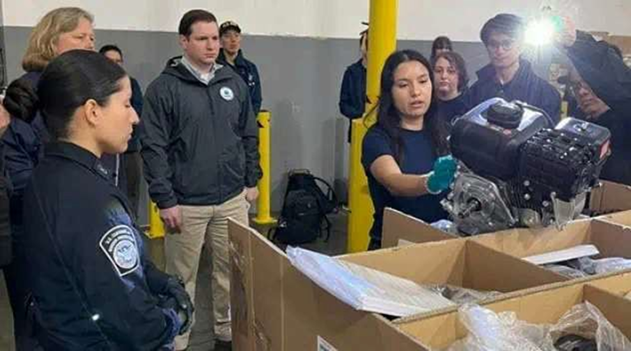
During the visit, Hall and Pritzlaff toured the Port of Los Angeles by boat and observed inspection demonstrations at a CBP examination warehouse. They met with Los Angeles/Long Beach Seaport Port Director Africa R. Bell to discuss data sharing and coordination techniques designed to hold violators accountable.
The agency frames this "revitalized" enforcement approach as a pillar of the administration's "Make America Healthy Again" (MAHA) agenda, arguing that blocking these imports is essential to protecting domestic food systems and ensuring fair competition for American businesses that adhere to federal safety standards.
Port Director Bell emphasized the necessity of the inter-agency alliance in managing the sheer volume of goods moving through the hub.
"At the nation's largest seaport, CBP's longstanding partnership with the EPA is a critical component in CBP's ability to intercept toxins and prevent them from harming our communities and the environment," Bell stated.
The EPA indicated that future operations will focus on closing enforcement loopholes to prevent foreign actors from profiting off non-compliant chemical shipments.